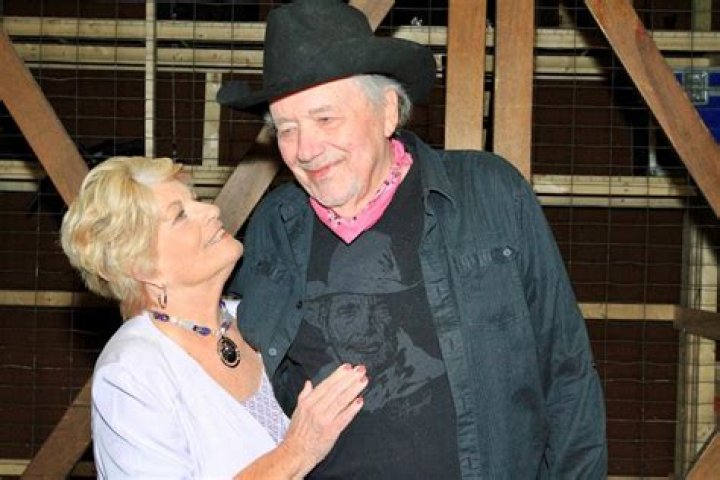
Kimberly Martin's age refers to the length of time that Kimberly Martin has been alive, typically measured in years since her birth.
Knowing a person's age can be important for a variety of reasons, such as determining their eligibility for certain activities or services, understanding their life stage and experiences, and making appropriate decisions about their care and support.
In some cultures, age is highly respected and is seen as a sign of wisdom and experience. In other cultures, youth is more highly valued, and older people may be seen as less capable or valuable.
Ultimately, the importance of age is a matter of personal and cultural perspective. However, it is generally agreed that age is a significant factor in shaping a person's life experiences and opportunities.
kimberly martin age
Kimberly Martin's age is a significant factor in her life and career. As a model and actress, her age has played a role in the types of roles she has been offered and the way she has been perceived by the public.
- Chronological age: Kimberly Martin was born on October 5, 1986, making her 36 years old.
- Biological age: Kimberly Martin's biological age may be different from her chronological age due to factors such as her health, lifestyle, and genetics.
- Perceived age: The age that Kimberly Martin is perceived to be may be different from her chronological or biological age due to factors such as her appearance, personality, and career.
- Ageism: Kimberly Martin may experience ageism, which is discrimination or prejudice against people based on their age.
- Age stereotypes: Kimberly Martin may be subject to age stereotypes, which are beliefs about people based on their age.
- Age norms: Kimberly Martin's behavior and expectations may be influenced by age norms, which are social expectations about how people of a certain age should behave.
- Age identity: Kimberly Martin's age identity is the way she thinks and feels about her age.
- Age consciousness: Kimberly Martin may be more or less conscious of her age, depending on factors such as her personality and life stage.
- Age anxiety: Kimberly Martin may experience age anxiety, which is worry or fear about getting older.
These are just a few of the key aspects of Kimberly Martin's age. Age is a complex and multifaceted concept, and it can have a significant impact on a person's life and experiences.
| Name | Birth Date | Birth Place |
|---|---|---|
| Kimberly Martin | October 5, 1986 | New York City, New York, U.S. |
Chronological age
Chronological age is the length of time that a person has been alive, typically measured in years since their birth. It is the most commonly used measure of age and is often used to determine a person's eligibility for certain activities or services, such as voting, driving, or drinking alcohol.
- Facets of Chronological Age:
- Birth date: Kimberly Martin's birth date is October 5, 1986.
- Current age: Kimberly Martin is 36 years old.
- Life stage: Kimberly Martin is in the young adulthood stage of life.
- Age norms: Kimberly Martin is expected to behave and think in ways that are appropriate for her age group.
- Importance of Chronological Age:
- Chronological age is a key factor in determining a person's eligibility for certain activities or services.
- Chronological age can be used to track a person's development and progress over time.
- Chronological age can be used to make predictions about a person's future health and well-being.
- Limitations of Chronological Age:
- Chronological age does not always reflect a person's biological age or their perceived age.
- Chronological age can be used to discriminate against people based on their age.
- Chronological age is not always a good predictor of a person's future health and well-being.
Overall, chronological age is a useful measure of a person's age, but it is important to be aware of its limitations. Chronological age should not be used as the sole factor in making decisions about a person.
Biological age
Biological age refers to the physiological age of a person's body, which may be different from their chronological age. Chronological age is simply the number of years a person has been alive, while biological age takes into account factors such as a person's health, lifestyle, and genetics.
For example, a person who smokes, drinks alcohol excessively, and eats a poor diet may have a biological age that is older than their chronological age. Conversely, a person who exercises regularly, eats a healthy diet, and does not smoke or drink alcohol may have a biological age that is younger than their chronological age.
Knowing a person's biological age can be important for a variety of reasons. For example, it can help doctors to make more informed decisions about a person's health care. It can also help people to make lifestyle changes that can improve their health and longevity.
In Kimberly Martin's case, her biological age may be different from her chronological age due to a variety of factors, such as her health, lifestyle, and genetics. For example, if Kimberly Martin exercises regularly, eats a healthy diet, and does not smoke or drink alcohol, her biological age may be younger than her chronological age. Conversely, if Kimberly Martin smokes, drinks alcohol excessively, and eats a poor diet, her biological age may be older than her chronological age.
It is important to note that biological age is not a perfect measure of a person's health or longevity. However, it can be a useful tool for understanding a person's overall health and well-being.
Perceived age
Perceived age is the age that a person is thought to be, which may be different from their chronological or biological age. There are a number of factors that can affect perceived age, including appearance, personality, and career.
For example, a person who dresses in a youthful manner and has a positive attitude may be perceived to be younger than their chronological age. Conversely, a person who dresses in a more mature manner and has a more serious demeanor may be perceived to be older than their chronological age.
Kimberly Martin's perceived age may be different from her chronological or biological age due to a variety of factors. For example, if Kimberly Martin dresses in a youthful manner and has a positive attitude, she may be perceived to be younger than her chronological age. Conversely, if Kimberly Martin dresses in a more mature manner and has a more serious demeanor, she may be perceived to be older than her chronological age.
It is important to note that perceived age is not always accurate. A person's perceived age may be influenced by a number of factors, including the person's appearance, personality, and career. As a result, it is important to be aware of the factors that can affect perceived age and to not make assumptions about a person's age based on their appearance.
Perceived age can have a significant impact on a person's life. For example, a person who is perceived to be older than their chronological age may be treated with more respect and deference. Conversely, a person who is perceived to be younger than their chronological age may be treated with less respect and deference.
It is important to be aware of the factors that can affect perceived age and to not make assumptions about a person's age based on their appearance. Perceived age can have a significant impact on a person's life, so it is important to be aware of the factors that can affect it.
Ageism
Ageism is a serious problem that can have a significant impact on Kimberly Martin's life. Ageism can take many forms, including discrimination in employment, housing, and healthcare. It can also lead to social isolation and loneliness.
One of the most common forms of ageism is discrimination in employment. Employers may refuse to hire older workers, or they may pay them less than younger workers for the same work. Older workers may also be more likely to be laid off or fired.
Ageism can also affect Kimberly Martin's access to housing. Landlords may refuse to rent to older adults, or they may charge them higher rent. Older adults may also be more likely to be evicted from their homes.
In addition, ageism can affect Kimberly Martin's access to healthcare. Doctors may be less likely to listen to older adults' concerns, or they may prescribe them less effective treatments. Older adults may also be more likely to be denied access to certain types of care, such as long-term care.
Ageism is a serious problem that can have a significant impact on Kimberly Martin's life. It is important to be aware of the signs of ageism and to speak out against it.
Here are some tips for combating ageism:
- Educate yourself about ageism and its effects.
- Challenge ageist stereotypes and assumptions.
- Support organizations that are working to combat ageism.
- Speak out against ageism when you see it.
By working together, we can create a more age-inclusive society.
Age stereotypes
Age stereotypes are widely held beliefs about people based on their age. These stereotypes can be positive or negative, and they can have a significant impact on Kimberly Martin's life.
- Positive age stereotypes: Some positive age stereotypes include the belief that older adults are wise, experienced, and reliable. These stereotypes can be beneficial to Kimberly Martin, as they may lead to her being treated with respect and deference.
- Negative age stereotypes: Some negative age stereotypes include the belief that older adults are out of touch, set in their ways, and not as capable as younger people. These stereotypes can be harmful to Kimberly Martin, as they may lead to her being discriminated against or marginalized.
- Impact of age stereotypes: Age stereotypes can impact Kimberly Martin's life in a number of ways. For example, she may be less likely to be hired for a job or promoted at work due to age stereotypes. She may also be more likely to experience social isolation and loneliness.
- Challenging age stereotypes: It is important to challenge age stereotypes and to recognize that they are not always accurate. Kimberly Martin should not let age stereotypes limit her or define her. It is just one facet of her identity, and she should not be reduced to just her age.
Age stereotypes are a complex issue, and there is no easy solution. However, by being aware of these stereotypes and their potential impact, Kimberly Martin can take steps to challenge them and to live her life free from discrimination and prejudice.
Age norms
Age norms are social expectations about how people of a certain age should behave. These norms can vary from culture to culture and from generation to generation. For example, in some cultures, it is expected that older adults will retire from work and spend their time caring for their grandchildren. In other cultures, older adults are expected to continue working and contributing to society.
Kimberly Martin's behavior and expectations may be influenced by the age norms of her culture and generation. For example, if Kimberly Martin lives in a culture where it is expected that older adults will retire from work, she may feel pressure to retire even if she is still able and willing to work. Similarly, if Kimberly Martin lives in a generation where it is expected that older adults will be more conservative and traditional, she may feel pressure to conform to these expectations even if they do not align with her own beliefs and values.
It is important to be aware of the age norms of one's culture and generation and to not let these norms limit one's potential. Kimberly Martin should not feel pressured to conform to age norms that do not fit her. She should live her life in a way that is true to herself and her own values.
Here are some tips for challenging age norms:
- Educate yourself about age norms and their impact.
- Challenge ageist stereotypes and assumptions.
- Support organizations that are working to combat ageism.
- Speak out against ageism when you see it.
By working together, we can create a more age-inclusive society.
Age identity
Age identity is a complex and multifaceted concept that encompasses an individual's thoughts, feelings, and beliefs about their own age. It is influenced by a variety of factors, including personal experiences, cultural norms, and societal expectations.
Kimberly Martin's age identity is an important aspect of her overall identity. It shapes the way she perceives herself and the way she interacts with others. For example, if Kimberly Martin identifies with being a young woman, she may be more likely to engage in activities that are typically associated with youth, such as spending time with friends, going to concerts, and traveling. Conversely, if Kimberly Martin identifies with being an older woman, she may be more likely to engage in activities that are typically associated with older adults, such as spending time with family, volunteering, and pursuing hobbies.
It is important to note that age identity is not static. It can change over time as an individual's experiences and perspectives change. For example, Kimberly Martin may have identified with being a young woman in her 20s, but she may identify with being an older woman in her 40s. This is because her thoughts, feelings, and beliefs about her age have changed over time.
Understanding Kimberly Martin's age identity is important for understanding her overall identity and the way she experiences the world. It can also help us to better understand the challenges and opportunities that she faces as an older woman in society.
Age consciousness
Age consciousness refers to the extent to which an individual is aware of and concerned about their age. Kimberly Martin's age consciousness may fluctuate depending on various factors, including her personality and life stage.
- Personality: Individuals with high self-esteem and a positive body image tend to be less age conscious. They are more likely to embrace their age and view it as a source of wisdom and experience. Conversely, individuals with low self-esteem and a negative body image may be more age conscious. They may be more likely to worry about getting older and losing their youthful appearance.
- Life stage: Age consciousness can also vary depending on an individual's life stage. For example, a young person who is just starting their career may be less age conscious than an older person who is nearing retirement. This is because the younger person is likely to be more focused on the future and their career goals, while the older person is likely to be more reflective about their past and their future.
Understanding Kimberly Martin's age consciousness can help us to better understand her overall self-concept and her experiences as an older woman in society. It can also help us to develop more effective strategies for addressing the challenges and opportunities that she faces as she ages.
Age anxiety
Age anxiety is a common experience for people as they get older. It can be caused by a variety of factors, including societal pressures to stay young and beautiful, the fear of losing one's physical and mental abilities, and the uncertainty of what the future holds.
- Fear of losing physical and mental abilities: As people age, they may start to worry about losing their physical and mental abilities. They may be afraid of becoming frail and dependent on others, or they may be afraid of developing dementia or other cognitive impairments.
- Fear of social isolation: As people age, they may also start to worry about social isolation. They may be afraid of losing their friends and family members, or they may be afraid of being seen as a burden to others.
- Fear of death: As people age, they may also start to think more about death. They may be afraid of dying, or they may be afraid of what will happen to their loved ones after they are gone.
Age anxiety can have a significant impact on Kimberly Martin's life. It can lead to anxiety, depression, and other mental health problems. It can also lead to unhealthy behaviors, such as excessive drinking or smoking. In some cases, age anxiety can even lead to suicide.
It is important for Kimberly Martin to be aware of the signs and symptoms of age anxiety. If she is experiencing any of these symptoms, she should talk to her doctor or mental health professional. There are a number of effective treatments for age anxiety, and with the right help, Kimberly Martin can learn to manage her anxiety and live a full and happy life.
FAQs About Kimberly Martin's Age
This section provides answers to frequently asked questions about Kimberly Martin's age, addressing common concerns and misconceptions.
Question 1: What is Kimberly Martin's age?
Answer: As of 2023, Kimberly Martin is 36 years old, having been born on October 5, 1986.
Question 2: How does Kimberly Martin's age affect her career?
Answer: Age can influence the types of roles Kimberly Martin is offered, as well as the way she is perceived by the public. However, her talent and experience remain central to her success.
Question 3: Is it appropriate to discuss Kimberly Martin's age publicly?
Answer: While it is generally acceptable to mention a public figure's age in a factual context, it is important to avoid ageism and to focus on an individual's accomplishments and contributions rather than their age.
Question 4: Can Kimberly Martin's age be accurately determined from her appearance?
Answer: A person's perceived age may differ from their chronological age due to factors such as lifestyle, genetics, and personal style. It is important to avoid making assumptions about a person's age based solely on their appearance.
Question 5: Are there any legal implications related to Kimberly Martin's age?
Answer: In some jurisdictions, age may be a factor in determining eligibility for certain rights and privileges, such as voting or holding public office. However, it is important to recognize that age discrimination is illegal in many countries.
Question 6: How can we promote a more positive and inclusive attitude towards aging?
Answer: By challenging age stereotypes, valuing the contributions of older adults, and recognizing the diversity of aging experiences, we can create a more inclusive and respectful society for all.
Summary: Understanding Kimberly Martin's age is a relevant aspect of her public persona, but it should not overshadow her achievements or define her worth. It is important to approach discussions about age with sensitivity and to recognize the complexities of aging.
Transition: This concludes our exploration of frequently asked questions about Kimberly Martin's age. For further insights into her life and career, please refer to the following sections.
Tips Regarding Kimberly Martin's Age
Kimberly Martin's age is a significant aspect of her identity and career. Understanding her age and its implications can be beneficial in various ways. Here are some key tips to consider:
Tip 1: Recognize the Complexities of AgeAge is not merely a number but a multifaceted concept influenced by biological, psychological, and social factors. Avoid making assumptions about Kimberly Martin based solely on her chronological age.
Tip 2: Challenge Age StereotypesStereotypes about older adults can limit their opportunities and well-being. Challenge these stereotypes by recognizing the diversity of aging experiences and valuing the contributions of older individuals.
Tip 3: Address Age DiscriminationAge discrimination is illegal and can take various forms. If you encounter or witness age discrimination, report it to the appropriate authorities and support organizations that advocate for older adults' rights.
Tip 4: Promote Age InclusivityCreate an inclusive environment where individuals of all ages are respected and valued. Encourage intergenerational interactions and provide opportunities for older adults to share their knowledge and experience.
Tip 5: Value the Wisdom of AgeRecognize that older adults often possess valuable wisdom and life experience. Seek their perspectives and insights to gain a broader understanding of different issues and situations.
By embracing these tips, we can foster a more positive and inclusive attitude towards aging. Understanding and valuing Kimberly Martin's age allows us to appreciate her contributions and the unique perspective she brings.
Transition: For further insights into Kimberly Martin's life and career, please refer to the following sections.
Conclusion
Kimberly Martin's age, encompassing her chronological, biological, perceived, and subjective experiences, shapes her identity and life journey. Understanding the complexities of age and challenging stereotypes is crucial for fostering an inclusive society that values the contributions of individuals across all stages of life.
As we continue to explore the significance of "kimberly martin age," let us embrace a mindset that recognizes and celebrates the diversity of aging experiences. By promoting age inclusivity, valuing wisdom, and addressing age discrimination, we create a world where all individuals, regardless of their age, are respected and empowered.
Unveiling The Game-Changing "Skip The Games Lafayette" Program
Unraveling The Mystery: "Jess Hilarious" Baby Father Revealed!
Unveil The Secrets: Laurie David's Net Worth Decoded