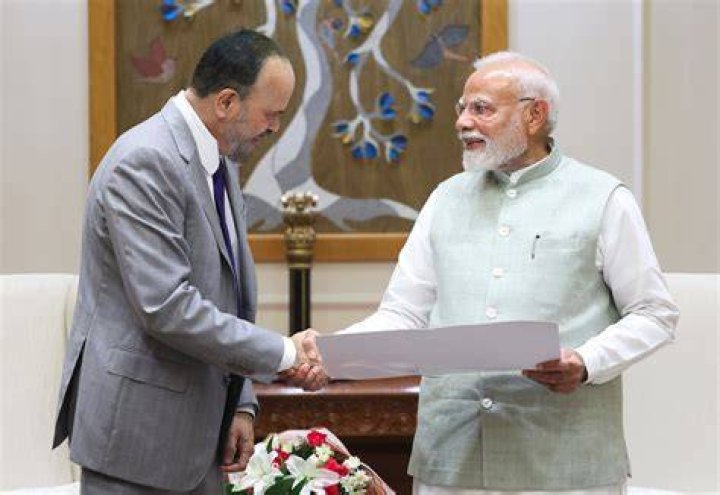
Sultana Abdul Jabbar was the first female Muslim principal in the United States. She was born in 1929 in India and immigrated to the United States in 1959. She worked for the Chicago Public Schools for over 30 years, serving as a teacher, assistant principal, and principal.
Jabbar was a strong advocate for education and for the rights of Muslim women. She was a founding member of the Muslim Women's League and served on the board of the Council on American-Islamic Relations (CAIR). She was also a member of the Chicago Commission on Human Relations.
Jabbar's work helped to pave the way for other Muslim women to enter the field of education. She was a role model for many young Muslim women and her legacy continues to inspire others today.
Sultana Abdul Jabbar
Sultana Abdul Jabbar, the first female Muslim principal in the United States, was a pioneer in the field of education. Her work helped to pave the way for other Muslim women to enter the field and inspired many young Muslim women to pursue their dreams.
- Educator: Jabbar dedicated her life to education, working as a teacher, assistant principal, and principal for over 30 years.
- Advocate: She was a strong advocate for education and for the rights of Muslim women.
- Role model: Jabbar was a role model for many young Muslim women and her legacy continues to inspire others today.
- First: Jabbar was the first female Muslim principal in the United States.
- Muslim: Jabbar was a devout Muslim and her faith was an important part of her life.
- Woman: Jabbar faced many challenges as a Muslim woman in the United States, but she never gave up on her dreams.
- Pioneer: Jabbar's work helped to pave the way for other Muslim women to enter the field of education.
- Inspiration: Jabbar's story is an inspiration to all who face challenges in their lives.
- Legacy: Jabbar's legacy continues to inspire others to pursue their dreams.
Sultana Abdul Jabbar was a remarkable woman who made a significant contribution to the field of education. Her story is an inspiration to all who face challenges in their lives. She showed that anything is possible if you have the courage to follow your dreams.
Educator
Sultana Abdul Jabbar's dedication to education was evident throughout her career. She worked as a teacher, assistant principal, and principal for over 30 years, inspiring countless students and colleagues along the way. Jabbar's passion for education was driven by her belief that all students deserve access to a quality education, regardless of their background or circumstances.
Jabbar's work as an educator was particularly important for Muslim women. At a time when there were few Muslim women in leadership positions in the United States, Jabbar's success as a principal was a source of inspiration for many. She showed that Muslim women could achieve anything they set their minds to, and she paved the way for other Muslim women to enter the field of education.
Jabbar's legacy as an educator continues to inspire others today. She is remembered as a pioneer who dedicated her life to making a difference in the lives of her students.
Advocate
Sultana Abdul Jabbar was a strong advocate for education and for the rights of Muslim women. She believed that all students deserve access to a quality education, regardless of their background or circumstances. She was particularly passionate about advocating for the rights of Muslim women, who often face discrimination and barriers to education.
Jabbar's advocacy work had a significant impact on the lives of many Muslim women. She helped to found the Muslim Women's League, which provides support and resources to Muslim women in the United States. She also served on the board of the Council on American-Islamic Relations (CAIR), where she worked to promote understanding and dialogue between Muslims and non-Muslims.
Jabbar's legacy as an advocate continues to inspire others today. She is remembered as a pioneer who dedicated her life to making a difference in the lives of Muslim women. Her work helped to pave the way for other Muslim women to enter the field of education and to fight for their rights.
Role model
Sultana Abdul Jabbar was a role model for many young Muslim women because she showed them that it was possible to achieve their dreams, no matter what obstacles they faced. She was a successful educator and a strong advocate for the rights of Muslim women. She was also a devout Muslim who was proud of her faith.
Jabbar's story is particularly inspiring for young Muslim women who are facing challenges in their own lives. She showed them that it is possible to overcome adversity and achieve their goals. She also taught them the importance of standing up for their rights and fighting for what they believe in.
Jabbar's legacy continues to inspire young Muslim women today. She is remembered as a pioneer who paved the way for other Muslim women to enter the field of education and to fight for their rights. She is also remembered as a role model who showed them that anything is possible if they have the courage to follow their dreams.
First
Sultana Abdul Jabbar made history when she became the first female Muslim principal in the United States. This groundbreaking achievement not only shattered glass ceilings for Muslim women in education but also paved the way for greater representation and diversity in leadership roles within the American school system.
- Breaking Barriers: Jabbar's appointment as principal challenged societal norms and stereotypes, demonstrating that Muslim women are capable of holding positions of authority and influence in traditionally male-dominated fields such as education.
- Role Model and Inspiration: As the first female Muslim principal in the country, Jabbar became an inspirational figure for young Muslim girls and women, showing them that they too can aspire to leadership roles and make a positive impact on their communities.
- Promoting Diversity and Inclusion: Jabbar's presence in a leadership role within the education system helped to promote diversity and inclusion, creating a more welcoming and representative environment for Muslim students and staff.
- Advocate for Muslim Women: Throughout her career, Jabbar remained a vocal advocate for the rights and empowerment of Muslim women, using her platform to address issues such as discrimination, Islamophobia, and the importance of education for girls.
Sultana Abdul Jabbar's historic achievement as the first female Muslim principal in the United States continues to resonate today, inspiring and empowering countless individuals while fostering a more inclusive and equitable education system for all.
Muslim
Sultana Abdul Jabbar's faith as a devout Muslim deeply influenced her personal and professional life. As a trailblazing female Muslim principal in the United States, she navigated societal challenges while maintaining her religious beliefs, setting an example of resilience and religious tolerance.
Jabbar's Muslim identity shaped her commitment to education and advocacy. She believed that education was crucial for empowering Muslim women and girls, enabling them to actively participate in society and break down stereotypes. Her faith motivated her to work tirelessly for the betterment of her community, particularly in addressing issues faced by Muslim women.
By embracing her Muslim identity, Jabbar challenged prevailing misconceptions and prejudices. She demonstrated that Muslim women could excel in leadership positions and contribute significantly to American society. Her unwavering faith served as a source of strength and resilience, allowing her to overcome obstacles and inspire others.
The connection between Sultana Abdul Jabbar's Muslim identity and her achievements as an educator and advocate highlights the importance of religious freedom and diversity in society. It underscores the power of faith in shaping personal values, driving social change, and fostering a more inclusive and understanding world.
Woman
Sultana Abdul Jabbar's journey as a Muslim woman in the United States was marked by both triumphs and challenges. Despite facing societal barriers and prejudices, she remained steadfast in her pursuit of her dreams, demonstrating resilience, determination, and an unwavering belief in her abilities.
- Breaking Barriers: As a Muslim woman in a leadership role, Jabbar challenged prevailing stereotypes and societal norms. Her success as an educator and advocate paved the way for greater representation and diversity in the American school system.
- Overcoming Discrimination: Jabbar faced instances of discrimination and Islamophobia throughout her career. However, she refused to be deterred, using her experiences to fuel her advocacy for the rights of Muslim women and to promote understanding and dialogue.
- Balancing Faith and Identity: Jabbar's Muslim faith was an integral part of her life. She navigated the challenges of balancing her religious beliefs with the demands of her professional responsibilities, inspiring others to embrace their own identities while striving for success.
- Role Model and Mentor: Jabbar became a role model and mentor for young Muslim women, demonstrating the power of perseverance and the importance of education. Her story continues to inspire and empower countless individuals, particularly those who face challenges based on their gender, religion, or background.
Sultana Abdul Jabbar's unwavering spirit and dedication to her dreams serve as a testament to the strength and resilience of Muslim women. Her journey highlights the importance of breaking barriers, overcoming adversity, and pursuing one's aspirations despite the challenges that may arise.
Pioneer
Sultana Abdul Jabbar's pioneering work as the first female Muslim principal in the United States had a profound impact on the educational landscape for Muslim women. Her achievements shattered glass ceilings and inspired countless others to pursue careers in education.
- Role Model and Inspiration: Jabbar's success as an educator and leader served as a powerful role model for young Muslim women. Her story demonstrated that they too could achieve their dreams and make a positive impact on society.
- Breaking Barriers: Jabbar's appointment as principal challenged societal norms and stereotypes, proving that Muslim women were capable of holding positions of authority and influence in traditionally male-dominated fields like education.
- Empowering Muslim Women: Jabbar's work extended beyond her own career. She actively mentored and supported other Muslim women, encouraging them to pursue higher education and leadership roles.
- Promoting Diversity and Inclusion: Jabbar's presence in a leadership position within the education system helped to create a more welcoming and inclusive environment for Muslim students and staff.
Sultana Abdul Jabbar's legacy as a pioneer continues to inspire and empower Muslim women today. Her unwavering determination and dedication to education paved the way for greater representation and diversity in the field, setting an example for generations to come.
Inspiration
Sultana Abdul Jabbar's story is an inspiration to all who face challenges in their lives. She faced many challenges as a Muslim woman in the United States, but she never gave up on her dreams. She became the first female Muslim principal in the United States, and her work helped to pave the way for other Muslim women to enter the field of education.
Jabbar's story is particularly inspiring for young Muslim women who are facing challenges in their own lives. She showed them that they can achieve anything they set their minds to, and she taught them the importance of standing up for their rights and fighting for what they believe in.
Jabbar's legacy continues to inspire young Muslim women today. She is remembered as a pioneer who paved the way for other Muslim women to enter the field of education and to fight for their rights. She is also remembered as a role model who showed them that anything is possible if they have the courage to follow their dreams.
The inspiration that Jabbar's story provides is not limited to Muslim women. Her story is an inspiration to all who face challenges in their lives. She showed us that anything is possible if we have the courage to follow our dreams and never give up.
Legacy
Sultana Abdul Jabbar's legacy is one of inspiration and empowerment. As the first female Muslim principal in the United States, she shattered glass ceilings and paved the way for other Muslim women to enter the field of education. Her unwavering dedication to education and her advocacy for the rights of Muslim women continue to inspire countless individuals today.
One of the most important aspects of Jabbar's legacy is her ability to inspire others to pursue their dreams. Her story is a testament to the power of perseverance and determination. Despite facing many challenges as a Muslim woman in the United States, she never gave up on her dreams. She went on to become a successful educator and a respected leader in her community.
Jabbar's legacy is particularly important for young Muslim women. She showed them that they can achieve anything they set their minds to, regardless of the challenges they may face. She also taught them the importance of standing up for their rights and fighting for what they believe in.
The practical significance of understanding Jabbar's legacy is that it can help us to overcome challenges and achieve our dreams. Her story teaches us that anything is possible if we have the courage to follow our dreams and never give up.
In conclusion, Sultana Abdul Jabbar's legacy is one of inspiration and empowerment. Her story continues to inspire others to pursue their dreams and to fight for what they believe in. She is a role model for all who face challenges in their lives, and her legacy will continue to inspire generations to come.
Frequently Asked Questions
This section addresses common concerns and misconceptions surrounding Sultana Abdul Jabbar, her achievements, and her legacy.
Question 1: What were the primary challenges faced by Sultana Abdul Jabbar as a Muslim woman in the United States?
Answer: Jabbar faced various challenges as a Muslim woman in the United States, including discrimination, prejudice, and limited opportunities for women in leadership roles. Despite these obstacles, she remained steadfast in her pursuit of education and advocacy.
Question 2: How did Jabbar's Muslim faith influence her work as an educator and advocate?
Answer: Jabbar's Muslim faith was integral to her personal and professional life. She believed that education was crucial for empowering Muslim women and girls, and she used her platform to address issues faced by Muslim communities.
Question 3: What are the key elements of Jabbar's legacy and how does it continue to inspire others?
Answer: Jabbar's legacy is characterized by her pioneering spirit, unwavering determination, and commitment to education and social justice. Her story inspires individuals, particularly young Muslim women, to pursue their dreams, challenge societal norms, and work towards a more equitable and inclusive world.
Question 4: What is the significance of Jabbar's role as the first female Muslim principal in the United States?
Answer: Jabbar's appointment as the first female Muslim principal in the United States was a groundbreaking achievement. It challenged prevailing stereotypes, promoted diversity and inclusion in education, and served as an inspiration for countless Muslim women and girls.
Question 5: How did Jabbar overcome the challenges she faced as a Muslim woman pursuing a career in education?
Answer: Jabbar's unwavering determination, resilience, and the support of her community enabled her to overcome the challenges she faced. She refused to be deterred by discrimination, and instead used her experiences to fuel her advocacy for the rights of Muslim women.
Question 6: What are some of the practical lessons that can be drawn from Jabbar's life and work?
Answer: Jabbar's story teaches us the importance of perseverance, breaking barriers, and standing up for what we believe in. It emphasizes the power of education and the role of individuals in creating a more just and equitable society.
In conclusion, Sultana Abdul Jabbar's legacy continues to inspire and empower individuals to pursue their dreams, challenge societal norms, and work towards a more equitable and inclusive world.
Transition to the next article section: Sultana Abdul Jabbar's contributions to education and advocacy for Muslim women have left a lasting impact. Her story serves as a reminder of the importance of breaking barriers, promoting diversity, and empowering individuals to reach their full potential.
Tips for Success in Education and Advocacy
The life and work of Sultana Abdul Jabbar offer valuable lessons for those seeking to make a positive impact in education and advocacy. Here are five key tips inspired by her remarkable journey:
Tip 1: Embrace Education as a Path to Empowerment: Education was the cornerstone of Jabbar's mission. She believed that knowledge and critical thinking were essential tools for personal growth and social change.
Tip 2: Challenge Stereotypes and Break Barriers: Jabbar's journey as the first female Muslim principal in the United States highlights the power of challenging societal norms. Do not let stereotypes or prejudices limit your aspirations.
Tip 3: Be a Role Model and Mentor for Others: Jabbar's life inspired countless young Muslim women to pursue their dreams. Embrace the opportunity to mentor and support others who share your goals.
Tip 4: Advocate for Justice and Equity: Jabbar used her platform to advocate for the rights of Muslim women and girls. Identify causes that you are passionate about and use your voice to make a difference.
Tip 5: Stay Determined and Never Give Up: Jabbar's unwavering determination allowed her to overcome obstacles and achieve her goals. Embrace perseverance and resilience as essential qualities for success.
In conclusion, Sultana Abdul Jabbar's legacy reminds us that education, advocacy, and a commitment to breaking barriers are essential ingredients for creating a more just and equitable society. By embracing these principles, we can all make a positive impact in our communities and the world.
Conclusion
Sultana Abdul Jabbar's pioneering spirit, unwavering determination, and dedication to education and advocacy have left an indelible mark on society. As the first female Muslim principal in the United States, she challenged stereotypes, promoted diversity and inclusion, and inspired countless individuals to pursue their dreams.
Jabbar's legacy reminds us of the transformative power of education and the importance of breaking down barriers that prevent individuals from reaching their full potential. Her story serves as a call to action for us all to embrace diversity, promote equity, and work towards a more just and inclusive world.