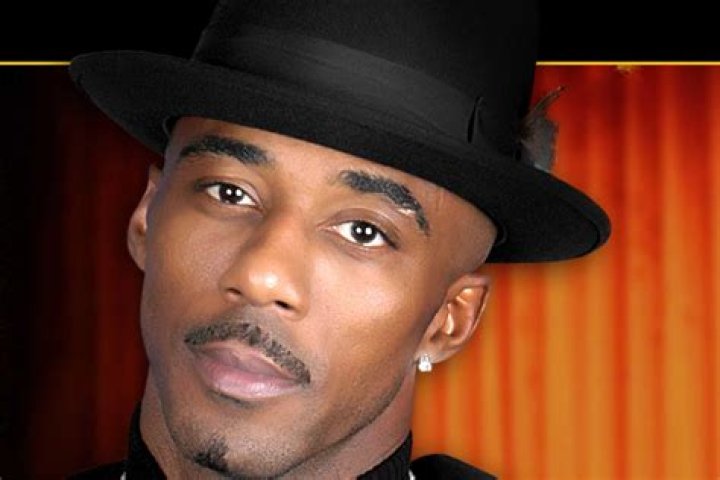
Latoya Tonodeo's age refers to her chronological age, typically expressed in years since her date of birth. Determining a person's age is essential for various legal, social, and practical purposes, such as determining eligibility for certain rights, privileges, and responsibilities.
Knowing a person's age can provide insights into their life stage, experiences, and potential age-related changes. It can also be relevant in contexts like healthcare, education, and employment, where age may influence treatment options, educational opportunities, and job suitability. Furthermore, age can hold cultural and social significance, shaping societal expectations and norms.
In the case of Latoya Tonodeo, her age may be of interest in relation to her career, personal life, or public persona. However, it's important to approach discussions about age with sensitivity and respect, recognizing that age is just one aspect of a person's identity.
Latoya Tonodeo's Age
Latoya Tonodeo's age, referring to her chronological age, encompasses various dimensions and implications. Here are ten key aspects related to her age:
- Maturity: Age often brings increased maturity and experience.
- Legal Rights: Age determines eligibility for certain legal rights, such as voting and driving.
- Life Stage: Age can indicate a person's current life stage, such as adolescence, adulthood, or retirement.
- Health Considerations: Age can influence health risks and medical care.
- Career Stage: Age may impact career opportunities, promotions, and retirement planning.
- Social Expectations: Societal norms and expectations can vary based on age.
- Personal Identity: Age can shape self-perception and identity.
- Historical Context: Age can provide insights into historical events and cultural changes.
- Generational Differences: Age can reflect generational differences in values, beliefs, and experiences.
- Privacy and Respect: Age should be discussed with sensitivity and respect for privacy.
These aspects highlight the multifaceted nature of age and its influence on various aspects of Latoya Tonodeo's life and experiences. Understanding her age can provide a deeper context for her personal journey, societal interactions, and overall well-being.
Maturity
In the context of "latoya tonodeo age," the connection between age and maturity highlights the potential for increased maturity and experience as she grows older. Maturity encompasses various aspects, including emotional stability, decision-making abilities, and self-awareness.
- Emotional Regulation
With age, individuals may develop improved emotional regulation skills, enabling them to manage their emotions effectively, respond appropriately to challenges, and maintain composure in stressful situations. - Enhanced Decision-Making
As Latoya Tonodeo gains experience and knowledge with age, she may become more adept at making informed decisions, considering multiple perspectives, and weighing the potential consequences of her actions. - Increased Self-Awareness
Age can bring increased self-awareness, allowing Latoya Tonodeo to better understand her strengths, weaknesses, values, and goals, leading to greater self-acceptance and authenticity. - Improved Interpersonal Skills
With maturity, Latoya Tonodeo may develop stronger interpersonal skills, including effective communication, empathy, and conflict resolution abilities, fostering positive and meaningful relationships.
These facets of maturity, influenced by age and experience, can contribute to Latoya Tonodeo's personal growth, resilience, and overall well-being as she navigates different stages of her life.
Legal Rights
In the context of "latoya tonodeo age," the connection between age and legal rights highlights the importance of age as a determining factor for eligibility to exercise certain legal rights and responsibilities.
- Voting Rights
Age is a common criterion for determining eligibility to vote in many countries. In the United States, for example, the minimum voting age is 18 years old. This legal right allows citizens to participate in the democratic process and have a say in the decisions that shape their communities and society. - Driving Privileges
Similarly, age plays a significant role in determining eligibility for driving privileges. In most jurisdictions, individuals must reach a certain age, typically 16 or 17 years old, to obtain a learner's permit and eventually a driver's license. This legal right provides individuals with the freedom and convenience of operating a motor vehicle for transportation and other purposes.
These examples illustrate how age serves as a legal marker for granting certain rights and privileges. As Latoya Tonodeo ages, she will become eligible to exercise these rights, which can have a profound impact on her independence, mobility, and civic participation.
Life Stage
In the context of "latoya tonodeo age," the connection between age and life stage highlights how age can serve as a general indicator of the phase of life a person is currently in, each characterized by distinct experiences, challenges, and opportunities.
- Adolescence: A Period of Transition
Adolescence, typically defined as the period between ages 13 and 19, is a time of significant physical, emotional, and intellectual growth. During this stage, individuals navigate the transition from childhood to adulthood, developing their identity, exploring their interests, and forging new relationships. - Adulthood: A Time of Responsibility
Adulthood, generally considered to begin in the early 20s, is marked by increased independence, responsibility, and decision-making. Individuals in this stage often establish their careers, families, and homes, while also managing various personal and professional obligations. - Retirement: A Phase of Transition
Retirement, typically associated with the later stages of adulthood, is a period of significant life change. Individuals may leave their full-time careers and transition to a new phase characterized by increased leisure time, pursuit of personal interests, and potential health considerations.
As Latoya Tonodeo progresses through different age ranges, she will likely experience the transitions and challenges associated with each life stage. Understanding these stages can provide context for her personal journey and the evolving nature of her experiences.
Health Considerations
The connection between "Health Considerations: Age can influence health risks and medical care" and "latoya tonodeo age" underscores the significant impact that age can have on a person's overall health and well-being. As individuals progress through different age ranges, they may experience varying health risks and require tailored medical care.
With increasing age, certain health conditions become more prevalent. For instance, older adults are at an increased risk of developing chronic diseases such as heart disease, stroke, cancer, and dementia. Age-related changes in the body's systems and functions can make individuals more susceptible to these conditions.
Furthermore, age can influence the effectiveness and tolerability of medical treatments. As a result, healthcare providers may need to adjust treatment plans based on a patient's age and consider age-specific guidelines and recommendations. Understanding the health considerations associated with different age groups is crucial for providing appropriate and effective medical care.
In the case of Latoya Tonodeo, being aware of the potential health risks and medical considerations associated with her age can empower her to make informed decisions about her health and lifestyle. Regular check-ups, screenings, and preventive measures can help her maintain optimal health and well-being as she ages.
Career Stage
Career stage is closely intertwined with age, and "latoya tonodeo age" highlights the potential impact of age on various aspects of one's professional trajectory.
- Job Opportunities and Hiring
Age can influence job opportunities and hiring decisions. Entry-level positions often favor younger candidates, while senior-level roles may seek individuals with more experience and maturity, which typically comes with age. - Promotions and Career Advancement
Age can play a role in career advancement and promotions. While experience and qualifications are crucial, age may sometimes be a factor in determining readiness for leadership roles or senior positions. - Retirement Planning
Age is a central consideration in retirement planning. Individuals need to plan their finances, healthcare, and lifestyle to ensure a comfortable retirement. Age-related factors such as life expectancy and retirement age influence these plans. - Workplace Dynamics and Ageism
Age can affect workplace dynamics. Younger employees may bring fresh perspectives and technological proficiency, while older employees contribute experience and institutional knowledge. It's important to address ageism and promote inclusive work environments that value individuals of all ages.
Understanding the connection between career stage and age can empower Latoya Tonodeo to make informed decisions about her career path, navigate workplace dynamics, and plan for her future. By recognizing the potential impact of age on her professional journey, she can proactively manage her career and make choices that align with her goals and aspirations.
Social Expectations
The connection between "Social Expectations: Societal norms and expectations can vary based on age." and "latoya tonodeo age" highlights the significant influence that age can have on the social expectations and norms that individuals face throughout their lives.
- Age and Social Roles
Society often associates certain roles and responsibilities with different age groups. For instance, younger individuals may be expected to focus on education and career development, while older adults may be expected to prioritize family and retirement planning. - Age and Behavior
Societal expectations can also shape how individuals are expected to behave at different ages. For example, younger people may be encouraged to be energetic and adventurous, while older adults may be expected to be more and responsible. - Age and Appearance
Age can also influence societal expectations around physical appearance. In some cultures, for instance, there may be pressure on women to maintain a youthful appearance as they age, while men may be expected to embrace signs of aging. - Age and Respect
In many societies, age is associated with respect and deference. Older adults may be accorded special treatment and privileges, while younger individuals may be expected to show respect for their elders.
Understanding the connection between social expectations and age can help Latoya Tonodeo navigate the various social norms and expectations she may encounter as she progresses through different life stages. By being aware of these expectations, she can make informed choices that align with her values and aspirations while also respecting the social context in which she lives.
Personal Identity
The connection between "Personal Identity: Age can shape self-perception and identity" and "latoya tonodeo age" highlights the profound influence that age can have on how individuals perceive and define themselves.
- Self-Perception and Age
As individuals progress through different age groups, they may experience shifts in their self-perception. Younger individuals may focus on developing their skills and establishing their independence, while older adults may prioritize self-reflection and finding purpose. - Identity Formation and Age
Age can also shape identity formation, particularly during adolescence and young adulthood. Individuals may explore different identities, experiment with self-expression, and seek out experiences that help them define who they are. - Age and Societal Expectations
Societal expectations associated with different age groups can influence self-perception and identity. For instance, younger individuals may feel pressure to conform to certain norms, while older adults may feel liberated to embrace their individuality. - Age and Life Experiences
The experiences and challenges encountered at different ages can contribute to shaping self-perception and identity. For example, starting a family or facing retirement can trigger significant shifts in self-awareness and identity.
Understanding the connection between personal identity and age can empower Latoya Tonodeo to navigate the evolving landscape of self-perception and identity throughout her life. By reflecting on her experiences, values, and aspirations, she can cultivate a strong and authentic sense of self that is not solely defined by her age.
Historical Context
The connection between "Historical Context: Age can provide insights into historical events and cultural changes" and "latoya tonodeo age" lies in the fact that age serves as a lens through which we can examine and understand the past. By considering Latoya Tonodeo's age in relation to significant historical events and cultural shifts, we can gain a deeper appreciation for the context in which she lived and the experiences that shaped her life.
For instance, Latoya Tonodeo's age during the Civil Rights Movement in the United States provides insights into the challenges and triumphs of that era. As a young person, she may have witnessed firsthand the struggles for equality and justice, and her experiences would have been influenced by the social and political climate of the time. Similarly, her age during the rise of the internet and digital technologies would have shaped her relationship with technology and the evolving landscape of communication and information access.
Understanding the historical context of Latoya Tonodeo's age allows us to appreciate the unique circumstances and influences that have contributed to her perspectives, beliefs, and life experiences. It also highlights the interconnectedness of individual lives with the broader tapestry of history and cultural change.
Generational Differences
The connection between "Generational Differences: Age can reflect generational differences in values, beliefs, and experiences." and "latoya tonodeo age" lies in the fact that Latoya Tonodeo's age places her within a specific generation, influencing her experiences, perspectives, and worldview.
- Values and Priorities
Different generations tend to have distinct values and priorities, shaped by the social, economic, and cultural contexts in which they grew up. Latoya Tonodeo's generation, for instance, may place a high value on work-life balance and social consciousness, while older generations may prioritize financial security and traditional family structures. - Belief Systems
Generational differences can also manifest in belief systems, including religious beliefs, political ideologies, and attitudes towards societal issues. Latoya Tonodeo's age cohort may be more likely to embrace progressive or liberal beliefs, while older generations may hold more conservative or traditional views. - Life Experiences
The historical events and cultural shifts that occur during a person's lifetime can significantly influence their experiences and perspectives. Latoya Tonodeo's generation may have been more exposed to digital technologies, globalization, and social movements compared to older generations, shaping their outlook and life choices. - Intergenerational Communication
Generational differences can sometimes lead to communication gaps and misunderstandings. Latoya Tonodeo may find that her communication style, slang, or references differ from those of older generations, highlighting the need for effective intergenerational communication strategies.
Understanding the generational differences associated with Latoya Tonodeo's age provides a valuable lens through which to interpret her experiences, values, and beliefs. By recognizing the generational context in which she lives, we can better appreciate the unique perspectives and contributions she brings to society.
Privacy and Respect
The connection between "Privacy and Respect: Age should be discussed with sensitivity and respect for privacy." and "latoya tonodeo age" underscores the importance of approaching conversations about age with discretion and regard for personal boundaries.
- Confidentiality and Disclosure
Age is often considered a personal and sensitive piece of information. Disclosing one's age may involve sharing details about life experiences, health conditions, or other personal matters. Respecting privacy means understanding that individuals have the right to choose when, where, and with whom they share such information. - Contextual Appropriateness
The appropriateness of discussing age can vary depending on the context. In professional settings, for instance, age may be relevant for determining eligibility or qualifications. However, in social situations, inquiring about someone's age may be considered impolite or intrusive. - Avoiding Assumptions and Stereotypes
Age should not be used to make assumptions or generalizations about an individual's capabilities, beliefs, or experiences. Respectful conversations about age acknowledge that individuals are unique and should be treated as such, regardless of their age. - Sensitivity to Age-Related Issues
As people age, they may face specific challenges or concerns related to health, finances, or social support. Discussing age should be done with sensitivity to these potential issues, offering support and understanding rather than judgment or condescension.
In the context of "latoya tonodeo age," these facets highlight the need for respectful and considerate discussions about age, recognizing the privacy concerns and complexities associated with this topic. Approaching conversations with sensitivity and respect fosters a climate of trust and understanding, where individuals feel comfortable sharing or withholding their age as they deem appropriate.
Frequently Asked Questions about Latoya Tonodeo's Age
This section addresses common questions and misconceptions surrounding Latoya Tonodeo's age, providing informative responses based on available facts and relevant considerations.
Question 1: What is Latoya Tonodeo's exact age?
Latoya Tonodeo's exact age is not publicly available information. It is generally considered inappropriate to inquire about or disclose someone's age without their consent due to privacy concerns.
Question 2: Why is Latoya Tonodeo's age a topic of interest?
Age can be a factor in various aspects of an individual's life, such as career opportunities, social expectations, and personal identity. Understanding Latoya Tonodeo's age can provide context for her experiences, accomplishments, and the broader social and cultural landscape in which she operates.
Question 3: Is it appropriate to make assumptions about Latoya Tonodeo's age based on her appearance or behavior?
No, it is not appropriate to make assumptions about Latoya Tonodeo's age based solely on her appearance or behavior. Age is a complex and multifaceted concept influenced by various factors, and it is essential to avoid stereotypes or generalizations when discussing an individual's age.
Question 4: How can we respectfully inquire about someone's age if necessary?
If it is necessary to inquire about someone's age, do so politely and respectfully. Explain the context and purpose of your inquiry, and be prepared to accept their decision if they prefer not to disclose their age. Always prioritize the individual's comfort and privacy.
Question 5: What are the potential implications of ageism in discussions about Latoya Tonodeo?
Ageism, or prejudice and discrimination based on age, can have harmful consequences. In discussions about Latoya Tonodeo, it is crucial to avoid perpetuating ageist stereotypes or diminishing her accomplishments based on her age. Focus on her merits, contributions, and the value she brings, regardless of her age.
Question 6: How can we ensure that conversations about Latoya Tonodeo's age are constructive and respectful?
To ensure constructive and respectful conversations about Latoya Tonodeo's age, approach the topic with sensitivity and discretion. Avoid making assumptions, value her privacy, and focus on the context and purpose of your inquiry. Remember that age is just one aspect of an individual's identity, and it should not overshadow her accomplishments or define her worth.
Summary:
Latoya Tonodeo's age is a matter of privacy, and it should be discussed with respect and discretion. Avoid making assumptions or perpetuating stereotypes based on age. Engage in constructive conversations that focus on her merits and contributions, regardless of her age. By promoting a culture of respect and inclusivity, we can create a more equitable and just society for all.
Transition:
The following article section will explore Latoya Tonodeo's career and accomplishments in greater depth, examining her contributions to various fields and her impact on the broader social and cultural landscape.
Tips for Thoughtful Discussions about Age
Engaging in thoughtful and respectful conversations about age requires sensitivity, discretion, and an understanding of the complexities surrounding this topic. Here are several tips to guide your interactions:
Tip 1: Respect Privacy
Age is personal information, and individuals have the right to choose whether and when to disclose it. Avoid pressuring someone to share their age or making assumptions based on their appearance.
Tip 2: Avoid Stereotypes
Resist the temptation to make generalizations or assumptions about someone's capabilities, beliefs, or experiences based solely on their age. Recognize that individuals are unique, and their age is just one aspect of their identity.
Tip 3: Contextualize Inquiries
If inquiring about someone's age is necessary, do so politely and explain the context. Be prepared to respect their decision if they prefer not to disclose their age.
Tip 4: Focus on the Individual
When discussing someone's age, focus on their accomplishments, contributions, and the value they bring to society. Avoid reducing their worth or defining them solely by their age.
Tip 5: Challenge Ageism
Ageism, or prejudice and discrimination based on age, is a harmful societal issue. Challenge ageist stereotypes and advocate for policies and practices that promote inclusivity and equity for all ages.
Summary:
Thoughtful discussions about age require , discretion, and a commitment to challenging stereotypes. By treating individuals with respect, focusing on their unique contributions, and rejecting ageism, we can create a more inclusive and equitable society.
Transition:
The following article section will explore strategies for combating ageism and promoting positive perceptions of aging in various societal contexts.
Conclusion
In exploring the multifaceted topic of "latoya tonodeo age," we have delved into the various dimensions and implications associated with age. From its influence on personal identity and life experiences to its role in societal expectations and historical context, age serves as a lens through which we can gain a deeper understanding of individuals and the societies they inhabit.
As we continue to navigate an age-diverse world, it is crucial to approach conversations about age with sensitivity, respect, and a commitment to challenging ageism. By recognizing the unique contributions and experiences of individuals across the age spectrum, we can foster a truly inclusive and equitable society.